Foundation Hosts Virtual Summit on Evolving Philanthropy Strategies
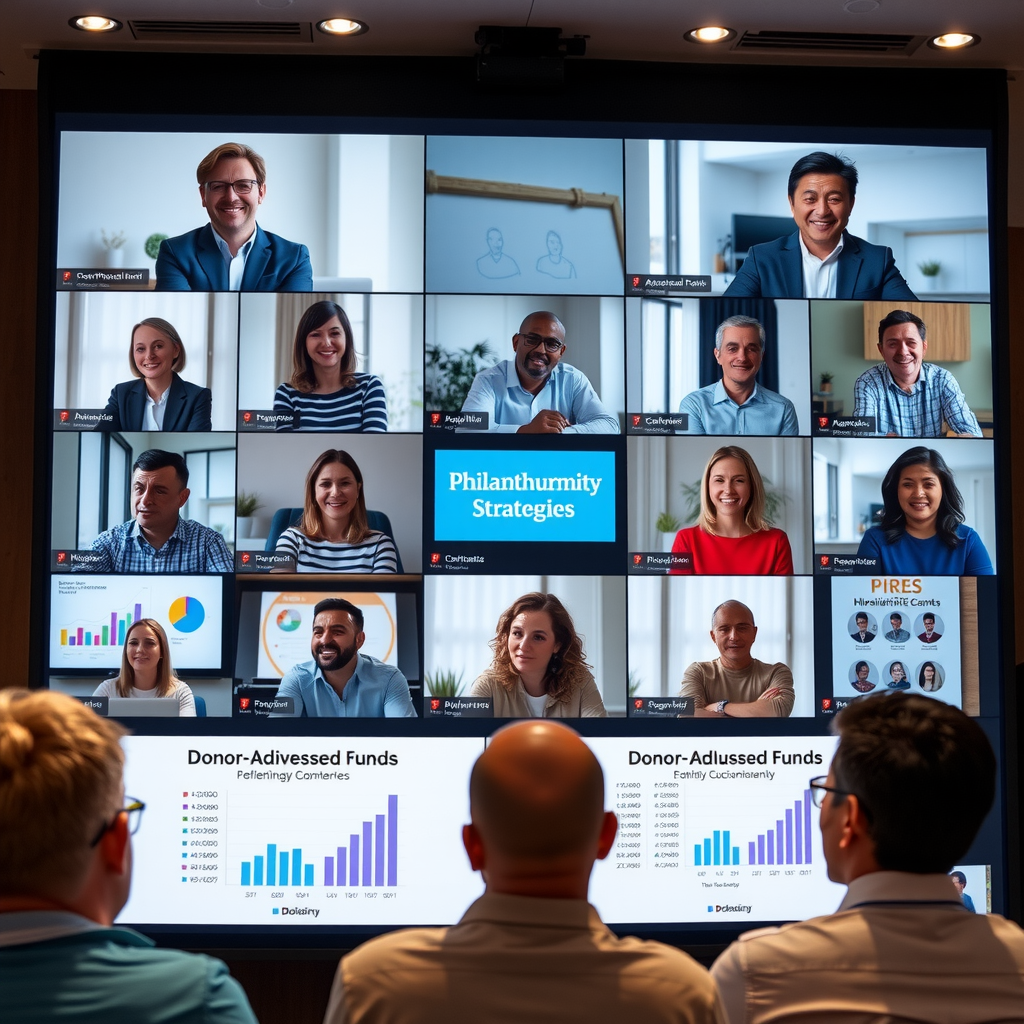
The Julian & Varue Foundation successfully hosted a comprehensive virtual summit that brought together over 300 participants from across the philanthropic sector to discuss the evolving landscape of charitable giving, with particular emphasis on donor-advised funds and tax-efficient giving strategies.
The day-long event, held on July 11, 2025, featured presentations from leading philanthropy experts, interactive panel discussions, and breakout sessions that allowed participants to dive deep into specific topics affecting modern charitable giving. The summit addressed critical changes in the philanthropic landscape and provided actionable insights for foundations, donors, and nonprofit organizations.
Regulatory Changes Shaping Donor-Advised Funds
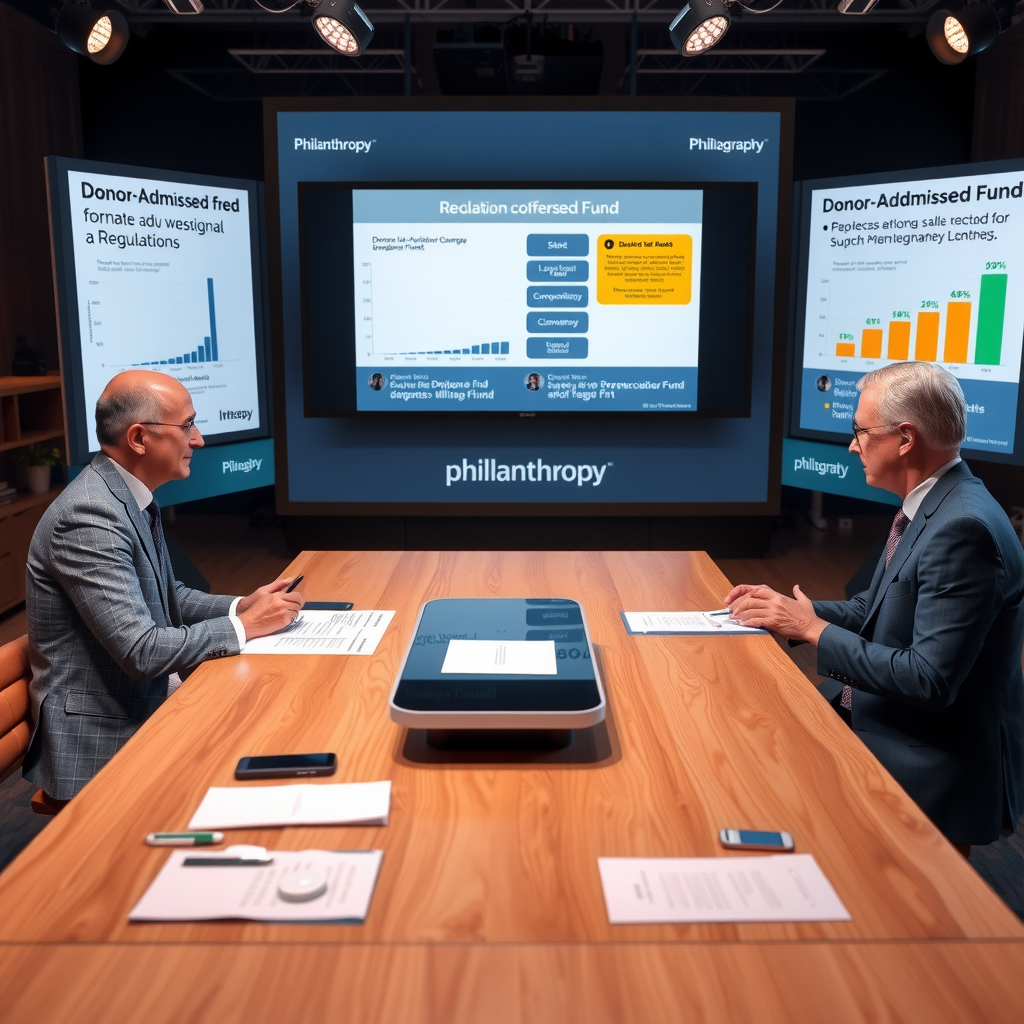
One of the summit's primary focuses was the recent regulatory changes affecting donor-advised funds (DAFs). Dr. Margaret Chen, Director of Philanthropic Policy at the National Foundation Institute, delivered the keynote address outlining how new regulations are reshaping the DAF landscape and what this means for both donors and sponsoring organizations.
"We're seeing a significant shift in how regulatory bodies are approaching donor-advised funds," Dr. Chen explained. "The changes are designed to increase transparency and ensure that funds are being distributed to active charitable work in a timely manner. For foundations and donors, this means adapting strategies to remain compliant while maximizing charitable impact."
The session covered new reporting requirements, distribution timelines, and the implications for fund management. Participants learned about best practices for navigating these changes and how to communicate effectively with donors about regulatory compliance. The discussion also addressed how these regulations might evolve in the coming years and what proactive steps organizations can take now.
Investment Approaches for Sustainable Philanthropy
A comprehensive panel discussion led by investment strategists explored modern approaches to managing philanthropic assets. The session, moderated by James Richardson, Chief Investment Officer at Charitable Assets Management Group, featured experts who shared insights on balancing growth, risk management, and social responsibility in foundation portfolios.
"The key to sustainable philanthropy is creating investment strategies that not only preserve capital but also align with the foundation's mission and values. Impact investing is no longer optional—it's becoming the standard."
— Sarah Martinez, Director of Impact Investing, Global Philanthropy Partners
The panel discussed various investment vehicles, including impact investing opportunities that allow foundations to generate returns while supporting causes aligned with their missions. Participants learned about environmental, social, and governance (ESG) criteria integration, program-related investments (PRIs), and mission-related investments (MRIs).

The discussion also covered risk management strategies specific to philanthropic organizations, including diversification approaches, liquidity management, and how to balance the need for current grantmaking with long-term sustainability. Experts emphasized the importance of regular portfolio reviews and staying informed about market trends that could impact foundation assets.
Tax-Efficient Giving Strategies for Maximum Impact
Tax efficiency remains a crucial consideration for donors seeking to maximize their charitable impact. The summit featured an in-depth workshop led by tax planning specialists who outlined current strategies for optimizing charitable deductions while supporting meaningful causes.
Robert Thompson, Senior Tax Advisor at Philanthropic Tax Solutions, presented a comprehensive overview of tax-efficient giving vehicles. "Understanding the tax implications of different giving strategies can significantly increase the amount of support that reaches charitable organizations," Thompson noted. "We're seeing donors become more sophisticated in their approach, utilizing a combination of strategies to maximize both their charitable impact and tax benefits."
The workshop covered several key strategies, including the benefits of donating appreciated securities rather than cash, qualified charitable distributions (QCDs) from retirement accounts for donors over 70½, and the strategic use of bunching charitable contributions in high-income years. Participants also learned about charitable remainder trusts, charitable lead trusts, and how these vehicles can provide income streams while supporting philanthropic goals.

Special attention was given to recent tax law changes and how they affect charitable giving decisions. The presenters discussed the increased standard deduction and its impact on itemized deductions, strategies for donors who no longer itemize, and how to structure giving to maintain tax benefits. The session also addressed state-specific considerations and how to navigate varying state tax laws when planning charitable contributions.
Maximizing Charitable Impact Through Strategic Grantmaking
Beyond financial and tax considerations, the summit dedicated significant time to discussing how foundations can maximize their charitable impact through strategic grantmaking approaches. Dr. Lisa Patel, Executive Director of the Center for Effective Philanthropy, led a session on measuring and enhancing grantmaking effectiveness.
"Impact measurement has evolved significantly in recent years," Dr. Patel explained. "Foundations are moving beyond simple output metrics to understand the real outcomes and long-term effects of their grantmaking. This requires more sophisticated evaluation methods and closer partnerships with grantee organizations."
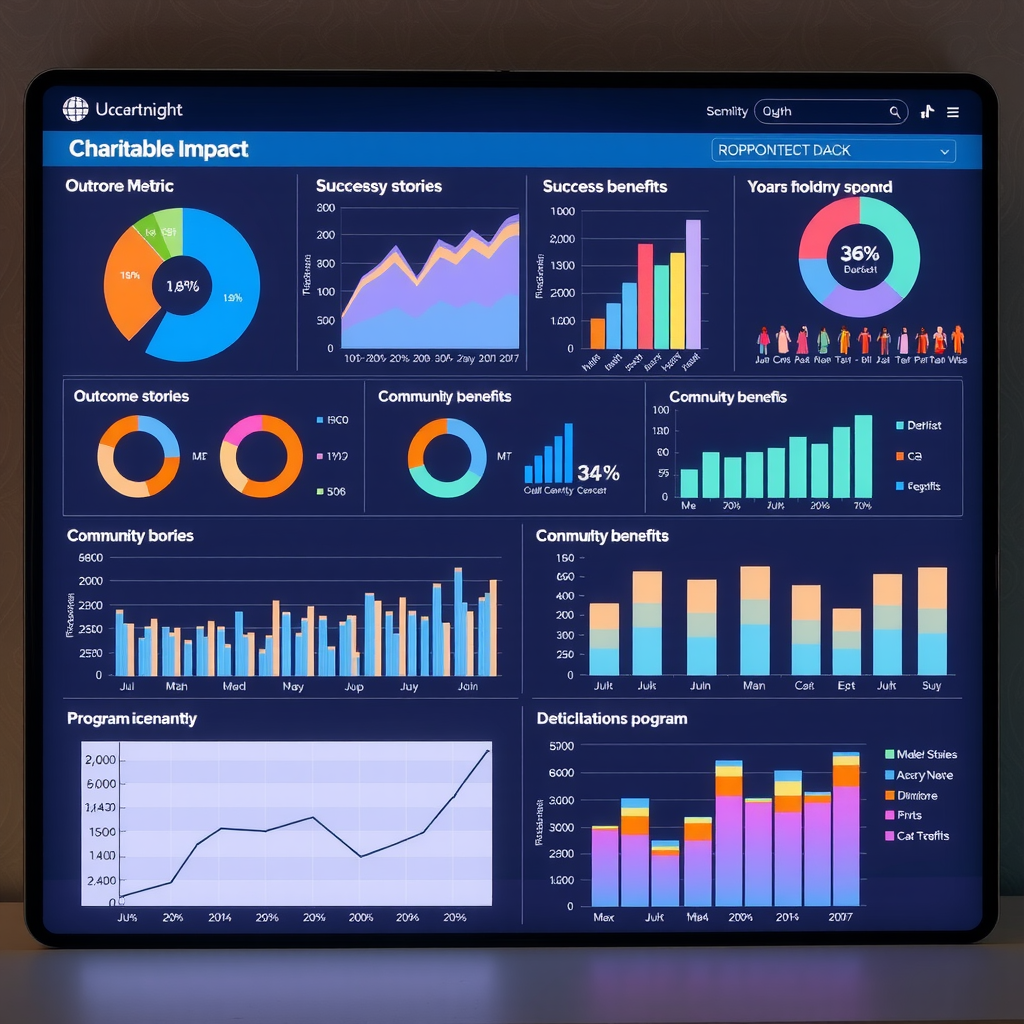
The session explored various frameworks for assessing charitable impact, including logic models, theory of change approaches, and outcome mapping. Participants learned about the importance of setting clear goals, establishing measurable indicators, and creating feedback loops that allow for continuous improvement in grantmaking strategies.
Discussion also focused on the role of capacity building in effective philanthropy. Rather than simply providing funding for specific programs, many foundations are now investing in organizational development, leadership training, and infrastructure improvements that enable nonprofit partners to achieve greater long-term impact. The panel emphasized the importance of multi-year funding commitments and flexible grant structures that allow organizations to adapt to changing circumstances.
Collaborative Philanthropy and Pooled Funding Initiatives
An emerging trend highlighted during the summit was the growing interest in collaborative philanthropy and pooled funding initiatives. Michael Chen, Director of Collaborative Initiatives at the Philanthropy Roundtable, presented case studies demonstrating how foundations are working together to address complex social challenges that no single organization could tackle alone.
"We're seeing a shift from competitive to collaborative approaches in philanthropy," Chen noted. "When foundations pool resources and coordinate strategies, they can achieve scale and impact that would be impossible working independently. This is particularly important for addressing systemic issues like education reform, climate change, and economic inequality."
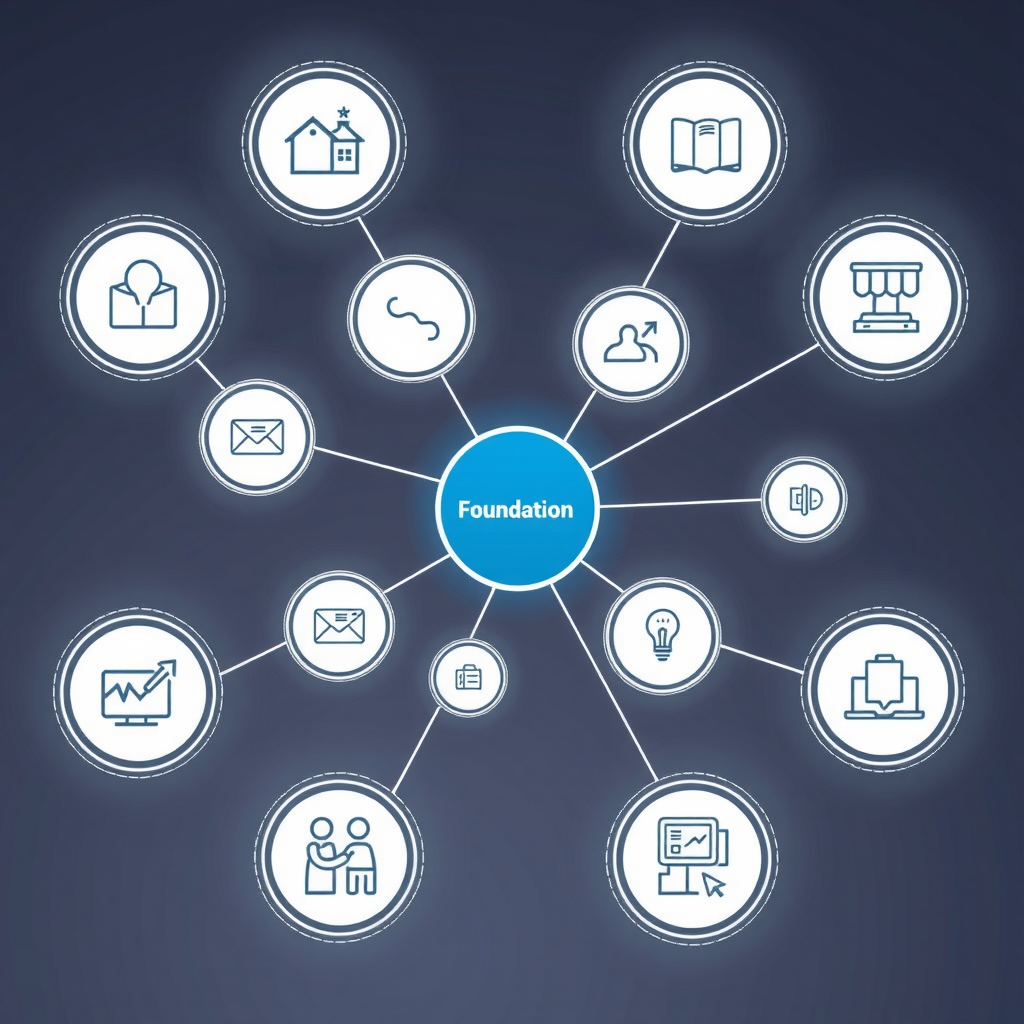
The presentation covered various models of collaborative philanthropy, including giving circles, funder collaboratives, and place-based initiatives. Participants learned about the benefits and challenges of collaborative work, including how to navigate different organizational cultures, align diverse priorities, and establish effective governance structures for joint initiatives.
Real-world examples demonstrated how collaborative approaches have led to breakthrough results in areas such as education access, healthcare delivery, and community development. The session also addressed practical considerations like legal structures for pooled funds, decision-making processes, and how to measure collective impact across multiple organizations.
Technology and Innovation in Philanthropic Services
The summit also explored how technology is transforming philanthropic services and creating new opportunities for efficient giving. Jennifer Williams, Chief Technology Officer at Digital Philanthropy Solutions, demonstrated various platforms and tools that are streamlining donor engagement, grant management, and impact reporting.
"Technology is democratizing philanthropy and making it more accessible to a broader range of donors," Williams explained. "From mobile giving platforms to blockchain-based transparency tools, we're seeing innovations that reduce administrative overhead and increase the percentage of donations that reach intended beneficiaries."
The presentation covered donor management systems, online giving platforms, and data analytics tools that help foundations make more informed decisions. Participants learned about artificial intelligence applications in grant screening, virtual reality experiences that connect donors with causes, and cryptocurrency donation options that are gaining popularity among younger donors.

The session also addressed cybersecurity considerations for foundations handling sensitive donor information and financial transactions. Williams emphasized the importance of robust security protocols, regular system audits, and staff training to protect against data breaches and fraud. The discussion included best practices for selecting technology vendors and ensuring that digital tools align with organizational needs and values.
Participant Engagement and Key Takeaways
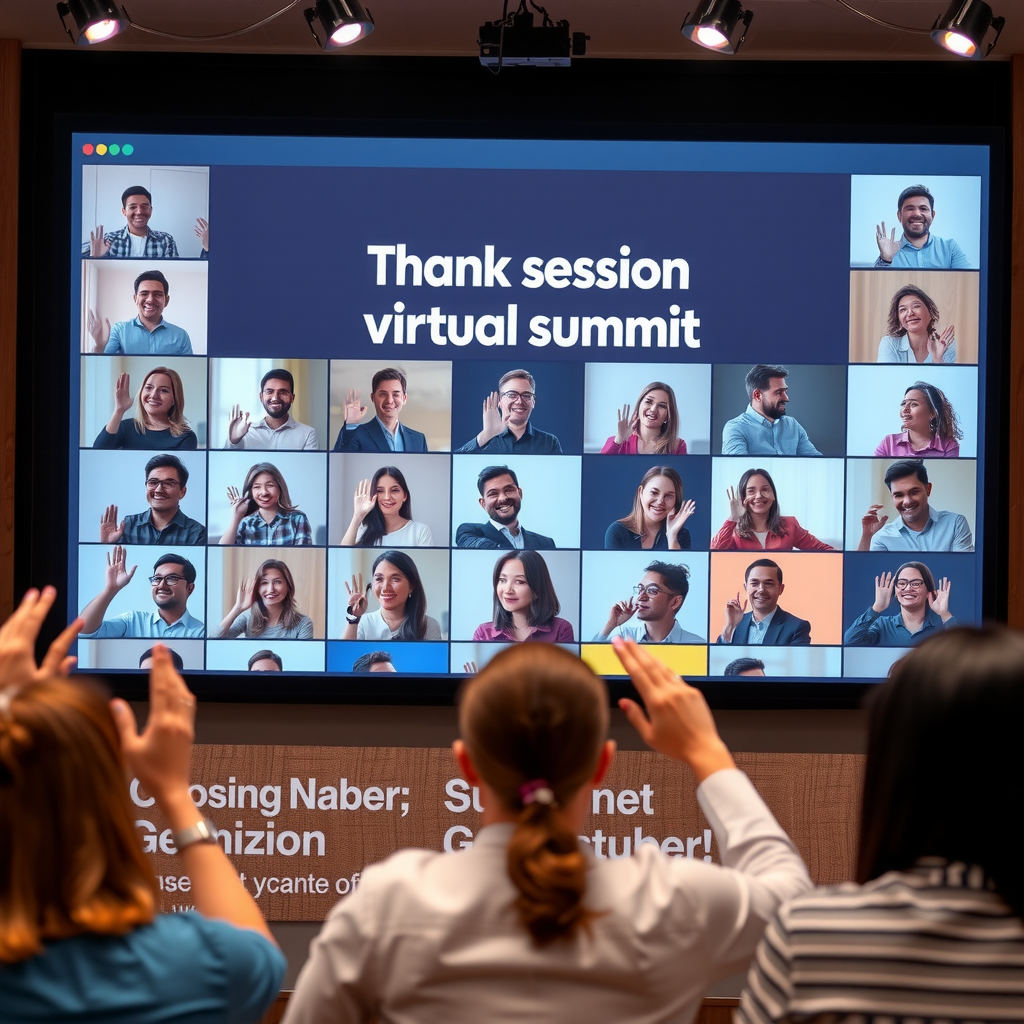
Throughout the summit, interactive elements kept participants engaged and facilitated meaningful exchanges of ideas. Breakout sessions allowed attendees to discuss specific challenges and share experiences with peers facing similar issues. Virtual networking lounges provided opportunities for one-on-one conversations and relationship building among foundation professionals, donors, and service providers.
Post-summit surveys indicated high satisfaction levels among participants, with 94% rating the content as valuable or highly valuable to their work. Many attendees noted that the virtual format allowed for broader participation than traditional in-person conferences, with representatives joining from 42 states and 8 countries.
Key Summit Takeaways
- ✓ Regulatory changes require proactive adaptation in donor-advised fund management
- ✓ Impact investing and ESG integration are becoming standard practices
- ✓ Strategic tax planning can significantly increase charitable giving capacity
- ✓ Collaborative philanthropy amplifies impact on complex social challenges
- ✓ Technology innovations are making philanthropy more efficient and accessible
- ✓ Outcome measurement and capacity building enhance long-term grantmaking effectiveness
The Julian & Varue Foundation announced that all summit presentations and resources would be made available to participants through an online portal, allowing for continued learning and reference. Additionally, the foundation committed to hosting quarterly follow-up webinars to address emerging topics and provide ongoing professional development opportunities for the philanthropic community.
"This summit represents our commitment to advancing the field of philanthropy through education, collaboration, and innovation," said David Morrison, Executive Director of the Julian & Varue Foundation. "The enthusiastic participation and thoughtful discussions we witnessed demonstrate the sector's dedication to continuous improvement and maximizing charitable impact. We look forward to building on this momentum and supporting the philanthropic community in navigating the evolving landscape of charitable giving."
As the philanthropic sector continues to evolve, events like this virtual summit play a crucial role in fostering knowledge sharing, building professional networks, and advancing best practices. The insights and strategies discussed will help foundations, donors, and nonprofit organizations navigate regulatory changes, optimize their giving approaches, and ultimately increase their positive impact on communities and causes they serve.